If you are planning on surrendering secured property in your bankruptcy case, it likely has crossed your mind as to when you should take the insurance policy off.

If you are planning on surrendering secured property in your bankruptcy case, it likely has crossed your mind as to when you should take the insurance policy off.

Filing for bankruptcy helps thousands of Minnesotans deal with, and eliminate, debt, each year. Many people contemplating filing for bankruptcy often wonder if they should be paying back their creditors and using their credit cards up until when their bankruptcy is filed. The short answer is, “no,” as using credit and paying back creditors does not benefit a person who will be filing for bankruptcy. In fact, doing this can actually cause issues in that person’s bankruptcy case.

Filing a Chapter 13 bankruptcy is a helpful tool to deal with overwhelming debt. A Chapter 13 bankruptcy allows a debtor to pay as much as they can afford in a three to five year repayment plan. After three to five years, a debtor will receive a bankruptcy discharge of their remaining debts. How much a debtor pays each month, is impacted by their monthly expenses and the deductions from their paystubs. Federal exemptions can protect certain assets, including tax refunds, in bankruptcy.
.

Bankruptcy is very often the very best way for an individual to deal with their debts and regain control of their financial circumstances. Both chapter 7 and chapter 13 bankruptcy cases often afford a great deal of relief to debtors (what you call people who file a bankruptcy case). In both types of cases, the debtor is protected against most types of debt collection actions that could be taken by their creditors. This protection from creditors begins immediately from the very day a debtor’s chapter 13 or chapter 7 case is filed and typically lasts through their entire case, with certain limited exceptions. The automatic stay against creditors is one reason why filing for bankruptcy is usually the best tool a person can use to take care of their debt problem.
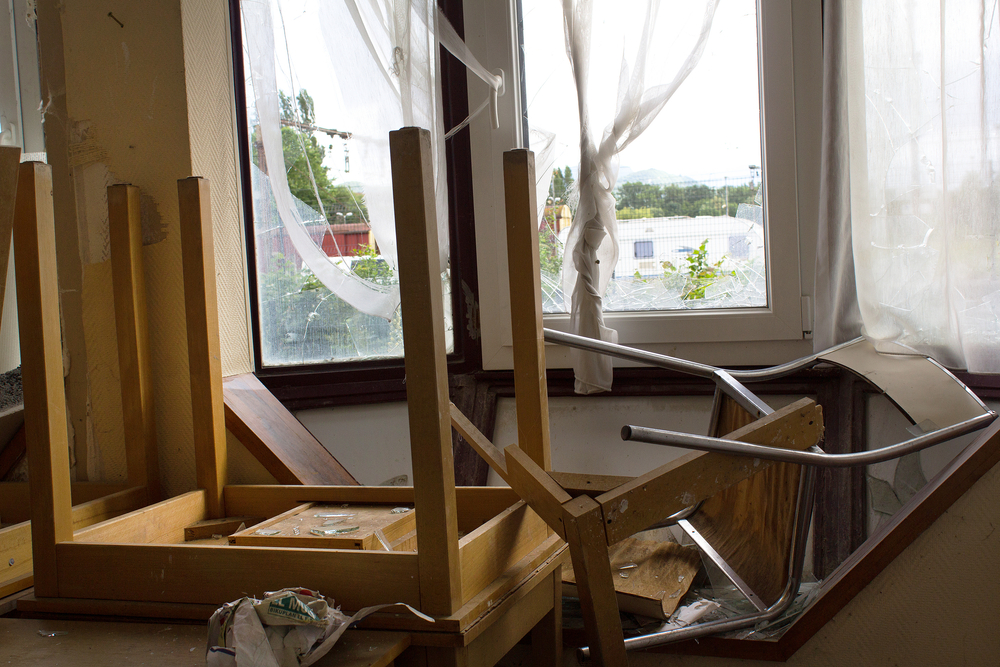
Filing for bankruptcy often raises questions about the fate of your possessions, especially financed furniture. If you’re wondering, “Can I keep the furniture I am financing after I file bankruptcy in St. Paul, Minnesota?” – the answer is often yes, but it depends on several factors. This comprehensive guide will help you understand your rights and options regarding financed furniture during bankruptcy.
.
Unfortunately, I have witnessed the carnage that can occur when someone thinks it is a good idea to file Chapter 7 Bankruptcy on your own. I feel bad for people who do this. I feel worse for people when I see the looks on their face when they realize what deep trouble they are in because they thought they could save a few dollars bypassing a good bankruptcy law firm, and in the end, that desire costs them far more than a good bankruptcy lawyer. Oh sure, there are software programs out there and organizations that crow about filing bankruptcy yourself. Some of these organizations are even non-profit and I think mean well.


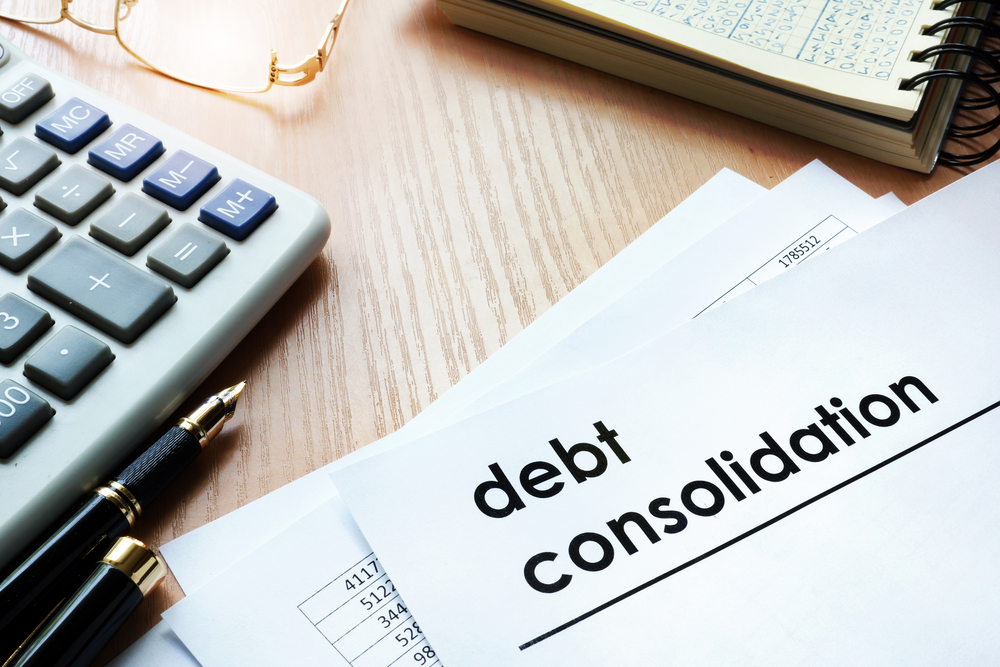
You got the headline right. If you live in Minneapolis, MN and you are thinking about debt consolidation vs bankruptcy, forget debt consolidation right now. I feel bad for people suffering with debt. I know you want to pay the debt, we all do. But, debt consolidation is a waste of time, energy, and money. First, who do you trust to help you with this? Many of the “debt consolidation” companies are owned by the credit card companies so who do you think they are there to help?

A Chapter 13 bankruptcy provides a debtor with a fresh start by allowing the debtor to make monthly payments to the bankruptcy trustee in a 3-5 year repayment plan to pay back a small portion of their debts, after which they will receive a discharge of the remaining debt that remains unpaid. A Chapter 13 bankruptcy allows a homeowner to cure mortgage arrears (past due mortgage payments). However, debtors must pay future monthly mortgage payments on time during a Chapter 13 bankruptcy, in order to avoid a foreclosure of their house.

How do you file a Chapter 7 Bankruptcy in Minneapolis, MN by relaxing? Easy, you reach out to LifeBack Law Firm! At LifeBack Law Firm, we do most of the work while you relax. At LifeBack Law Firm, we pamper our clients who have suffered enough as it is. Here is the thing, at LifeBack, we have no bankruptcy worksheets to fill out. We pull asset and credit reports for you and gather much of the information that is needed to file Chapter 7 Bankruptcy in Minneapolis.
Whether a person files a chapter 13 or chapter 7 bankruptcy case in Minnesota, they are afforded a tremendous amount of relief and protection from their creditors. In a chapter 13 case, the debtor (what you call someone who files a bankruptcy case) pays as much as they can afford in a three to five year repayment plan, after which they receive a discharge of their debts.

Filing a chapter 13 bankruptcy is a great way for many Minnesotans to deal with their creditors and get rid of debt. In a chapter 13 bankruptcy, the debtor (the legal term for a person who files a bankruptcy case) makes monthly payments to their creditors in a three to five year repayment plan, after which they receive a discharge of their remaining debt.

If you have a retirement loan and are wondering what will happen to it within bankruptcy, you have come to the right place. You may be wondering whether you will have to continue paying it or if your liability will be included in the debts you will discharge.
When a person files a chapter 7 bankruptcy case in Minnesota, they can choose what to do with their secured debts such as home mortgages and car loans.
Even if you are not intending to be fraudulent when you transfer property prior to filing for bankruptcy, some transaction will be labeled so.

Boating could very well be considered the quintessential Minnesota pastime! With 10,000 lakes (well, 11,842 lakes to be exact) it’s no wonder Minnesotans love to go boating. For many Minnesotans, their boat is one of their most valuable pieces of property that they own. So, it is no surprise that many Minnesotans who are considering filing for bankruptcy wonder if they will be able to keep their boat after their case is filed.
If you are planning on surrendering secured property in your bankruptcy case, it likely has crossed...
Filing for bankruptcy helps thousands of Minnesotans deal with, and eliminate, debt, each year....
Filing a Chapter 13 bankruptcy is a helpful tool to deal with overwhelming debt. A Chapter 13...
Bankruptcy is very often the very best way for an individual to deal with their debts and regain...
Filing for bankruptcy often raises questions about the fate of your possessions, especially...
Unfortunately, I have witnessed the carnage that can occur when someone thinks it is a good idea to...
After a debtor files for bankruptcy, the automatic stay immediately goes into effect; the IRS will...
You got the headline right. If you live in Minneapolis, MN and you are thinking about debt...
A Chapter 13 bankruptcy provides a debtor with a fresh start by allowing the debtor to make monthly...
How do you file a Chapter 7 Bankruptcy in Minneapolis, MN by relaxing? Easy, you reach out to...
Whether a person files a chapter 13 or chapter 7 bankruptcy case in Minnesota, they are afforded a...
Filing a chapter 13 bankruptcy is a great way for many Minnesotans to deal with their creditors and...
If you have a retirement loan and are wondering what will happen to it within bankruptcy, you have...
When a person files a chapter 7 bankruptcy case in Minnesota, they can choose what to do with their...
Even if you are not intending to be fraudulent when you transfer property prior to filing for...
Boating could very well be considered the quintessential Minnesota pastime! With 10,000 lakes...