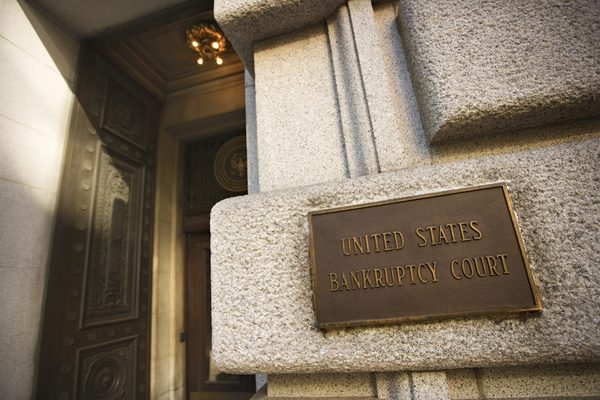
There is a law, in effect in all fifty states of the United States, that allows people who have entered into contracts to borrow money or to receive credit to have their contractual obligations discharged - wiped out - without harsh consequences to the borrower. This is the Bankruptcy law, set out in the U. S. Bankruptcy Code, and at first look it seems to be a very unusual public policy. Don’t we want people to honor their debts? What about the financial well-being of lenders if they run the risk of a government-sanctioned method of allowing people who asked the lender for money with a promise of repayment to break that promise? So where does this policy come from? That’s what we’ll look at in this blog.
Where Does Bankruptcy Come From?
There is a law, in effect in all fifty states of the United States, that allows people who have...